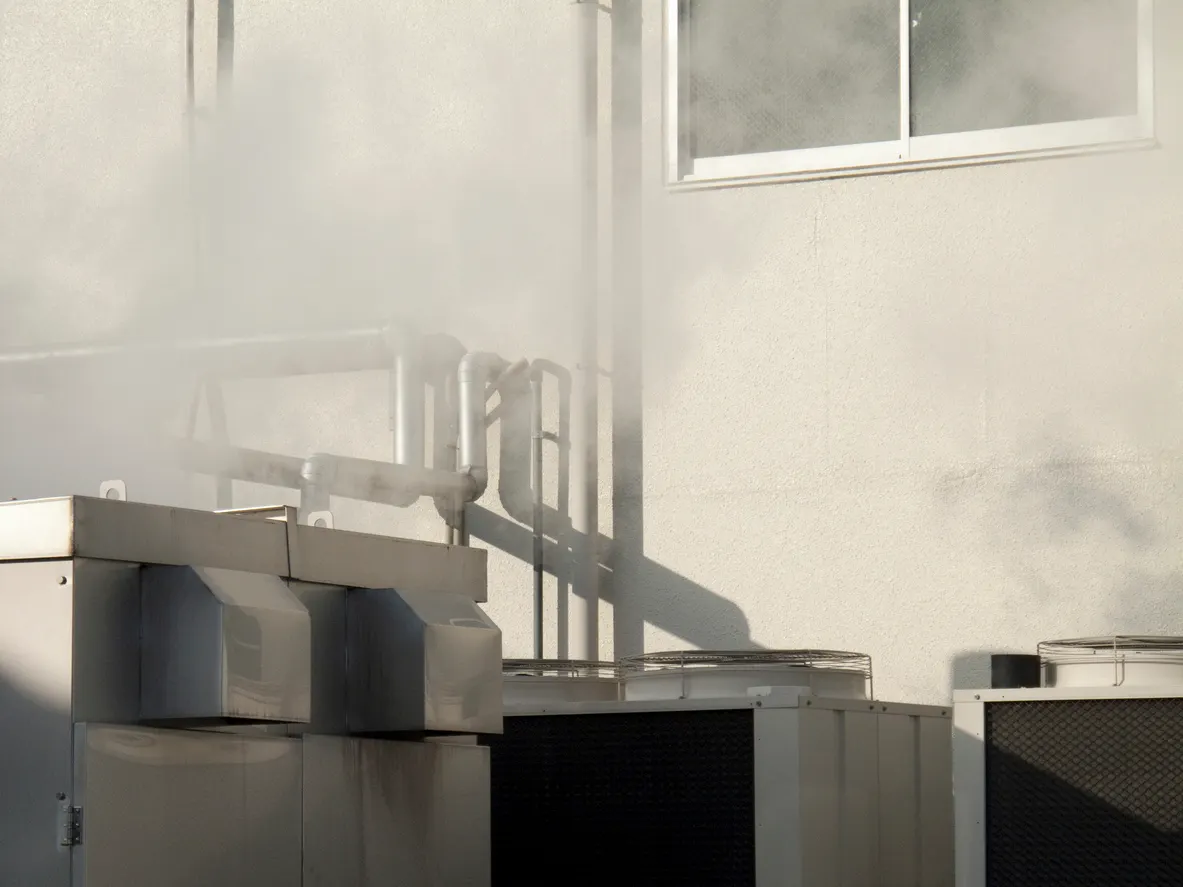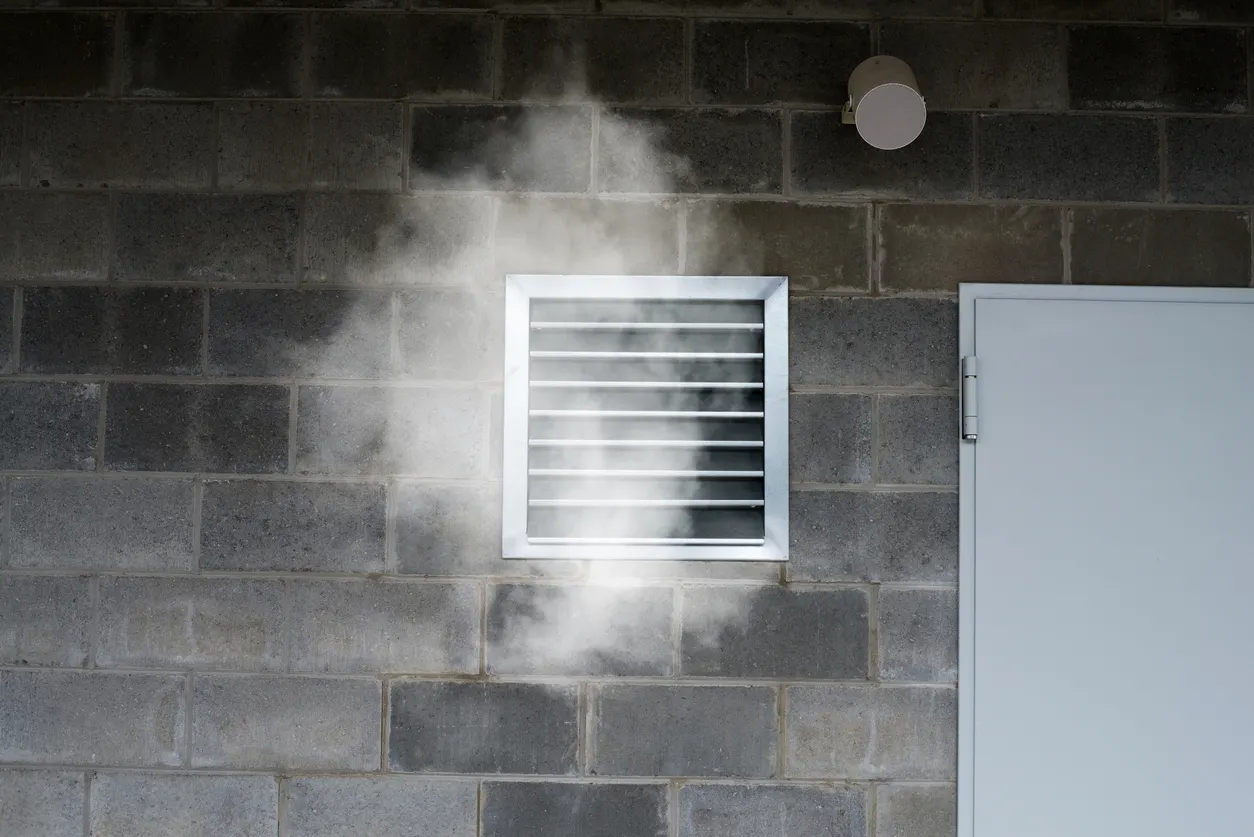


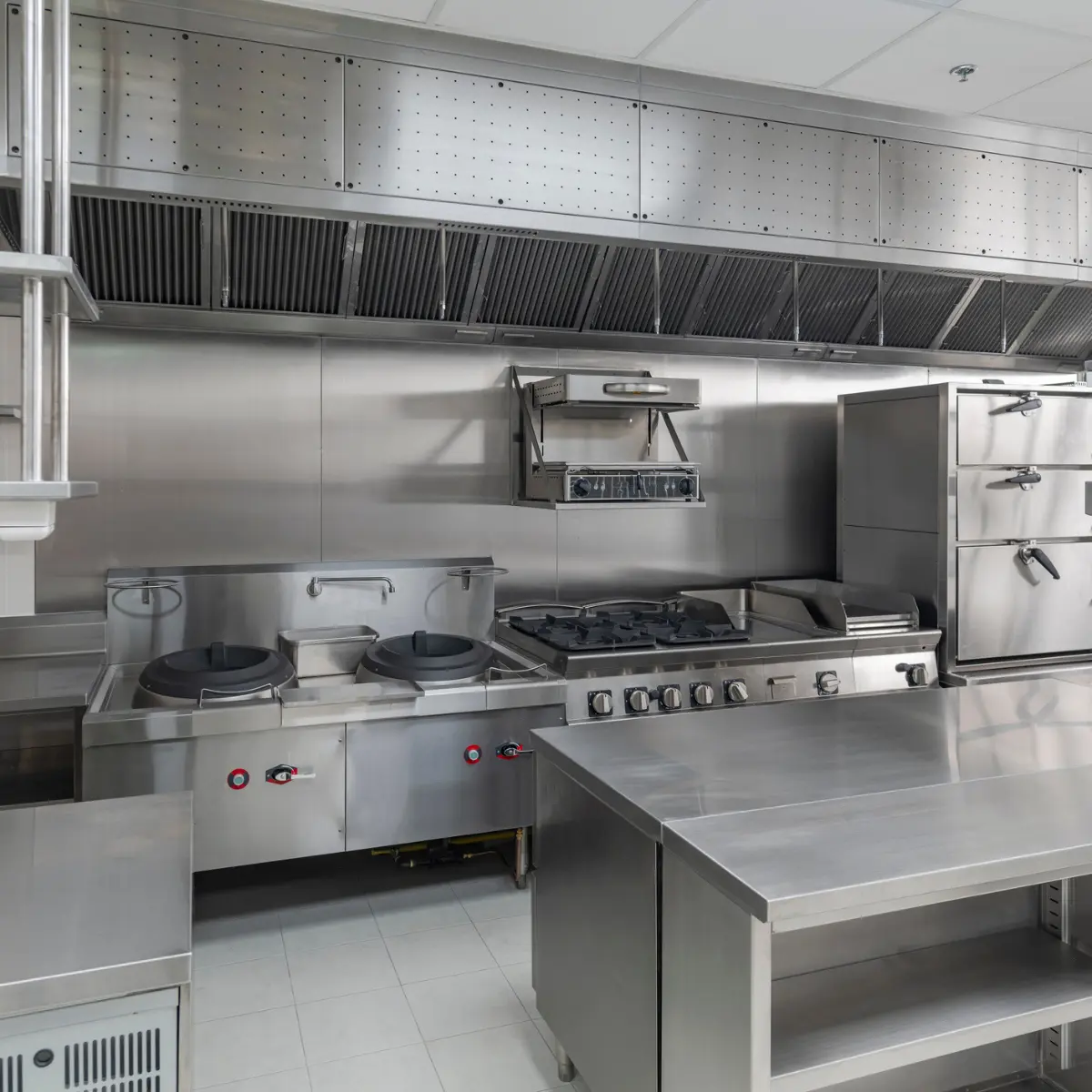
The B&ES TR19 Guide to Good Practice* recommends regular specialist cleaning of kitchen extract systems based on usage. For insurance purposes, adherence to the guidelines can serve as verification that the ventilation system has been properly cleaned and well-maintained.
Legislation & Guidance
| Loss Prevention Council: RC16B Cooking Equipment | Ductwork and Extraction Motor: | Cleaning should take place at intervals not exceeding 12 months |
| B&ES: TR19 Guide to Good Practice* | Cleanliness of Ventilation Systems | Suggested typical cleaning intervals:Heavy Use (12 – 16 hours per day) 3 MonthlyModerate Use (12 – 16 hours per day) 6 Monthly Light Use (2 – 6 hours per day) Annually |
At a recent seminar a fire authority representative stated “Uncleaned grease extract ventilation systems present probably the greatest potential fire risk in buildings with catering facilities”.
Insurers require that a fire risk assessment has been carried out and that evidence is available to show that the grease extractor systems have been inspected or cleaned by a professional contractor at the appropriate intervals, as recommended by HVCA, BSRIA and ABI.
At SAFEFLOW VENTILATION we understand the importance of offering flexibility to our clients and operate a 7 days a week, 24 hour working programme to help with your business needs.
- Site survey with client showing the ducting layout
- Risk assessment and method statement plus COSSH data of all materials use
- Proposal of costs & requirements to clean the system
- Complete cleaning with full photographic pre & post clean report and certification
- Installation of access panels where required and necessary
- Testing to be carried out with elcometer to determine agreed cleaning intervals to reduce cost
- The setup & management of a cleaning schedule for multiple sites giving you peace of mind
*Building & Engineering Services Association (B&ES) TR19: Guide to Good Practice – Internal Cleanliness of Ventilation Systems
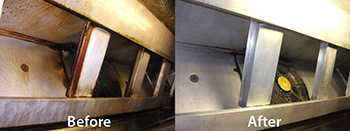
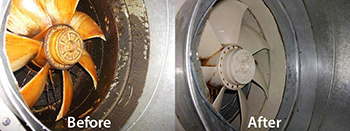
Kitchen Extract Cleaning TR19
Over time, the internal surfaces of the ventilation system in a commercial kitchen will become lined with grease deposits. If the kitchen extract ventilation surfaces are not cleaned regularly then this presents an increased health risk, not only from the odours and bacteria but also through the increased risk of fire.
The B&ES TR19 Guide to Good Practice – Internal Cleanliness of Ventilation Systems is a comprehensive guide to the internal cleanliness of ventilation systems. It is vital for specifiers, consultants and facilities managers who need to ensure ventilation systems are properly maintained. TR19 provides the highest standards of best practice and provides a method of verification for insurance purposes that the ventilation system in a building is clean and well maintained.
Here are the recommended cleaning cycles for kitchen extraction systems:
| Level of grease production | Example | Up to 6 hours | 6-12 hours | 12-16 hours | 16+ hours |
| Low | No significant production of grease laden air | 12 months | 12 months | 6 months | 6 months |
| Medium | Moderate production of grease laden air | 12 months | 6 months | 4 months | 3 months |
| High | Heavy production of grease laden air | 6 months | 3 months | 2 months | 2 months |